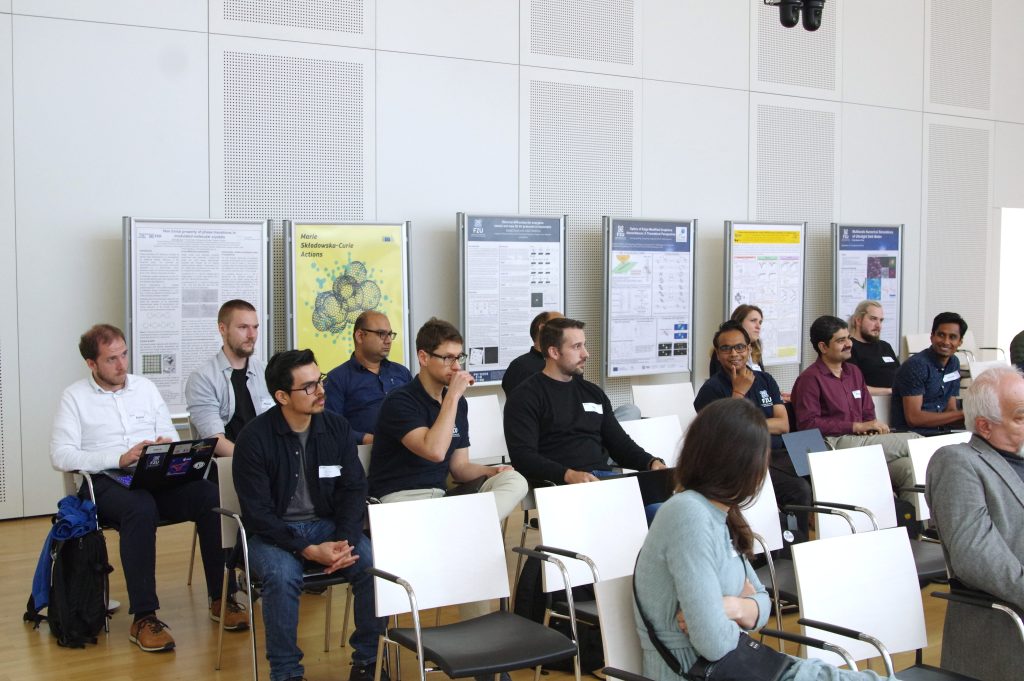
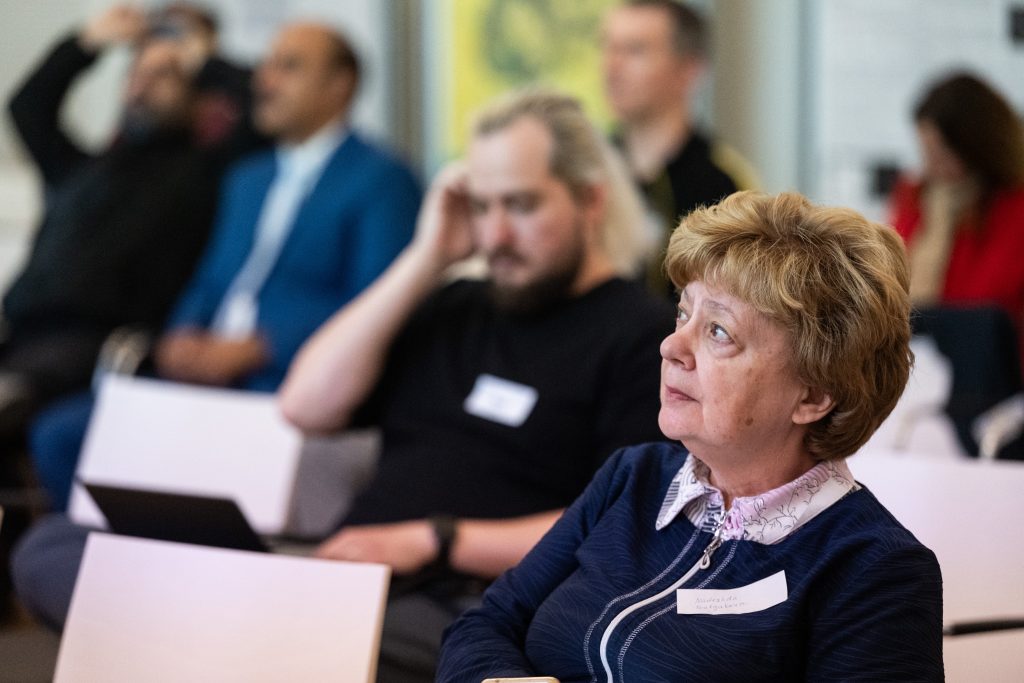
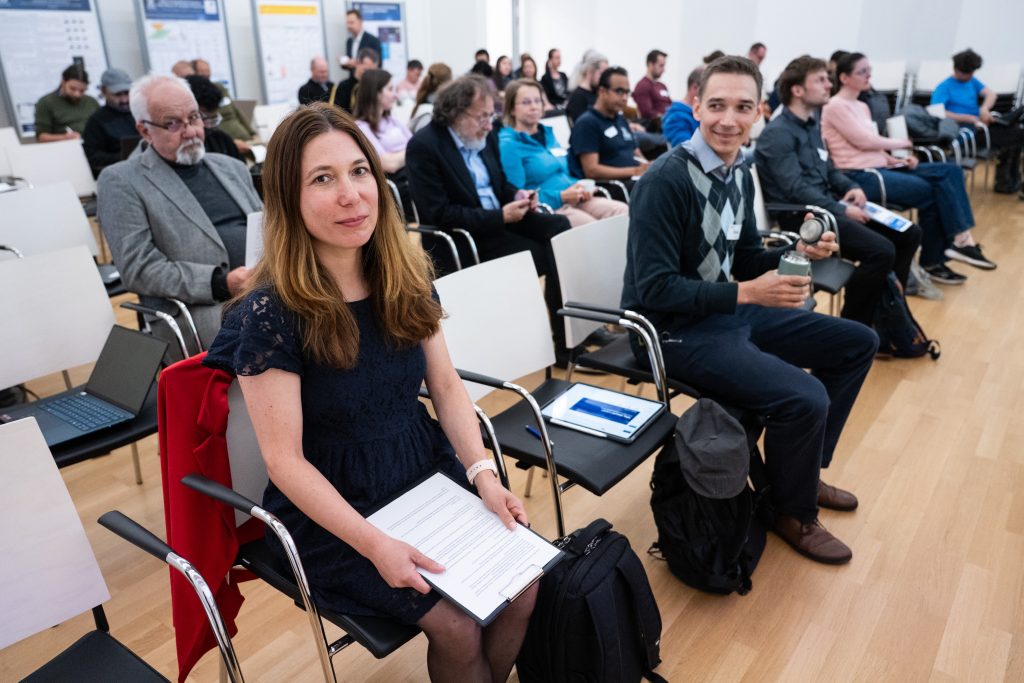
From May 11 to 13, 2026, the P4F programme organized its second Colloquium mainly for our postdoctoral fellows. The event took place at the FZU premises in the SOLID building. The three days went smoothly, with a good atmosphere, and positive feedback from the participants.
Like last year, the goal of the event was to give our fellows a space to present their research. Additionally, we wanted to open up discussions about different professional paths available after completing a postdoc.
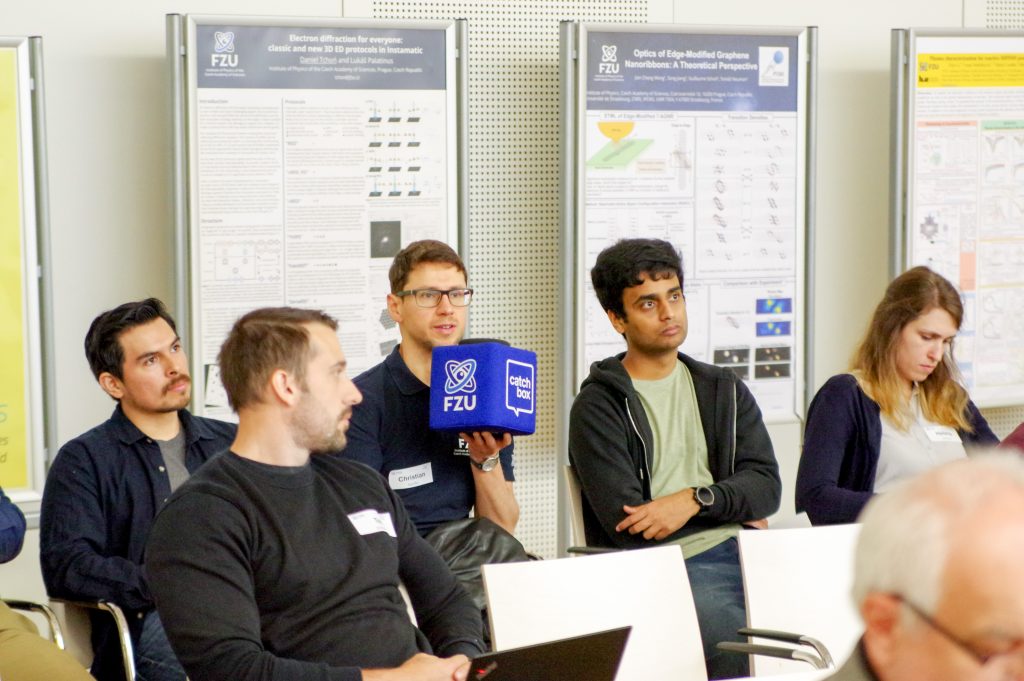
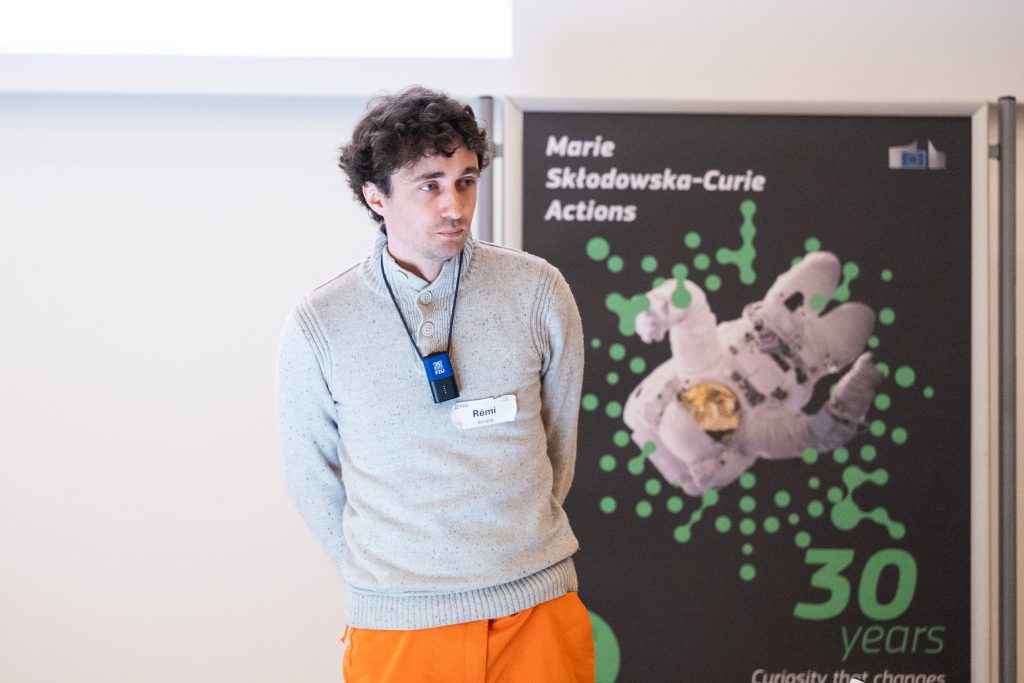
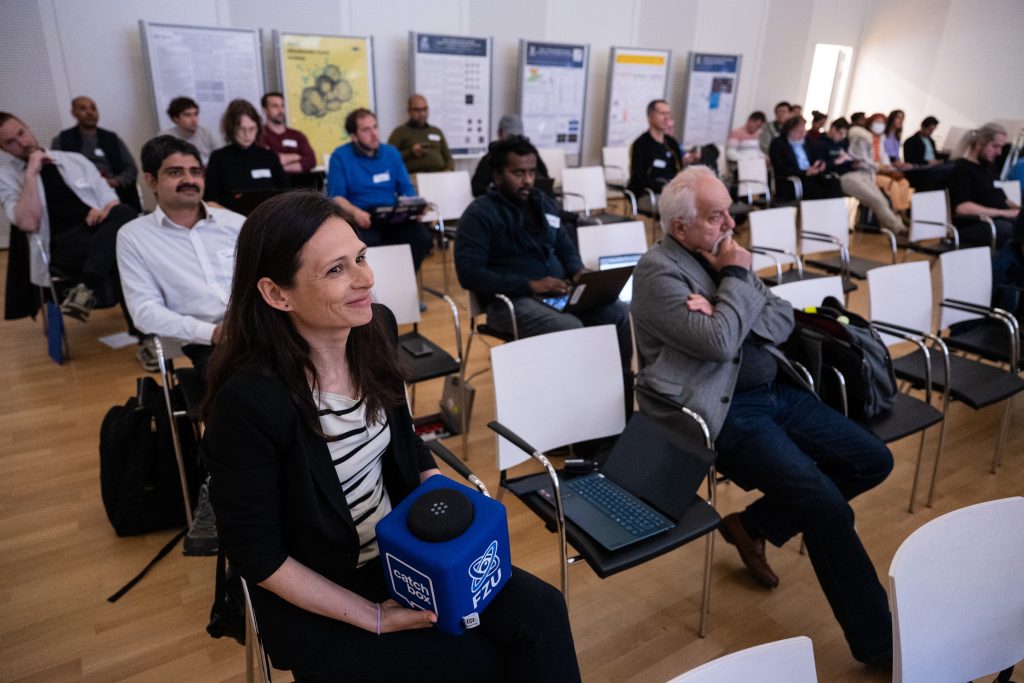
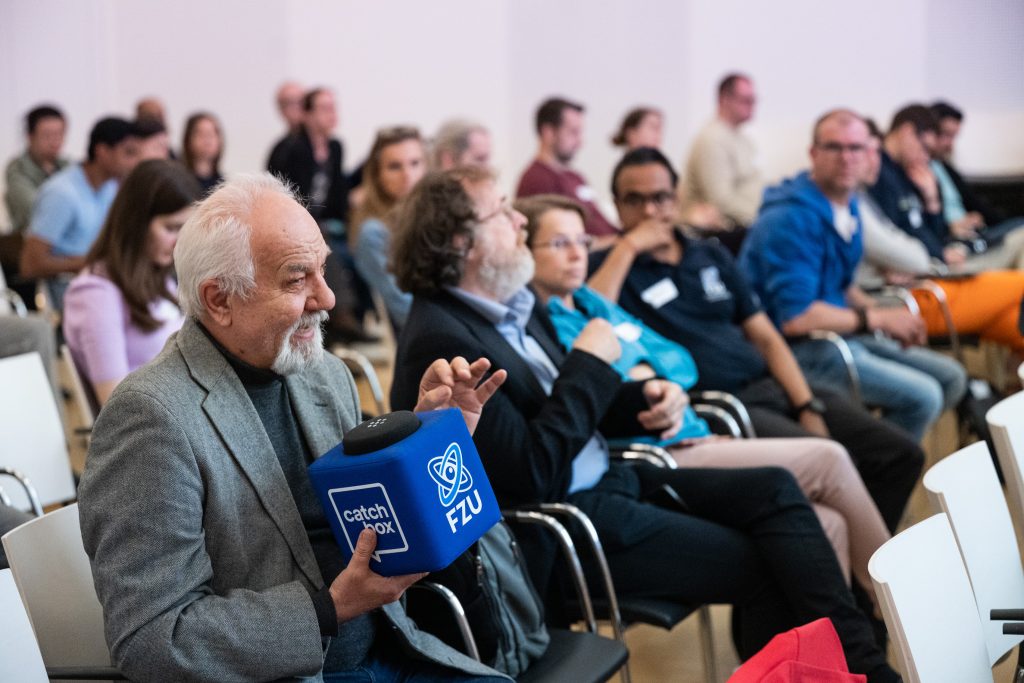
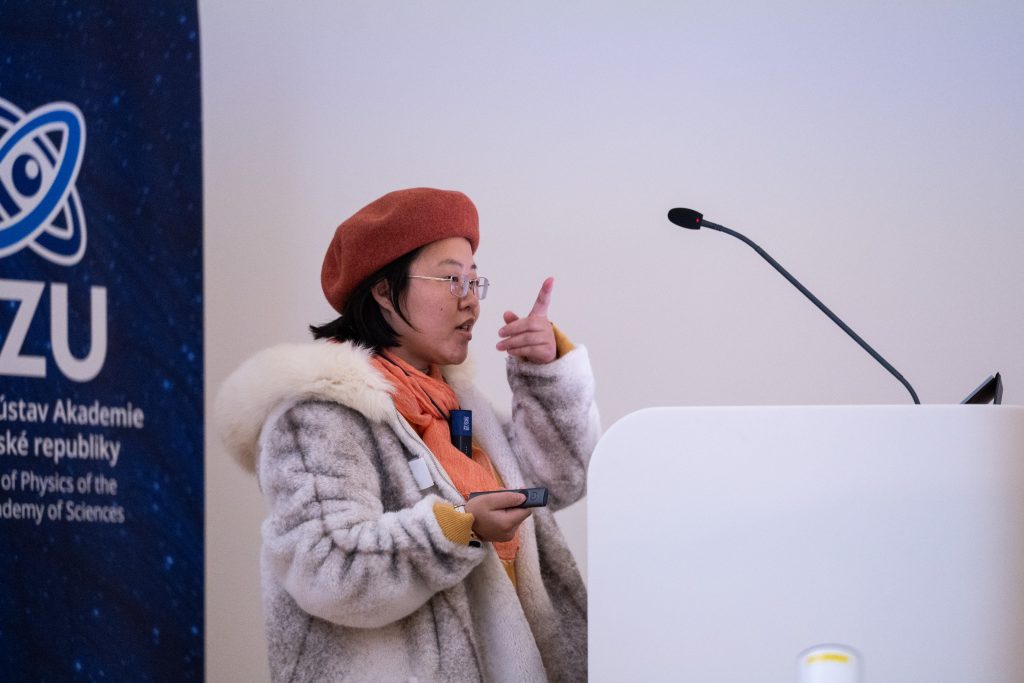
During the programme, the fellows shared their research achievements across various fields of physics. To make the topics accessible to a wider audience, including non-experts, all presentations followed a Science Café format. This approach helped create an engaging environment where people from different research areas could more easily connect and discuss complex ideas.
On Monday, the Colloquium opened with a welcome from director Michael Prouza and continued with presentations by fellows from the Division of Elementary Particle Physics and ELI Beamlines.
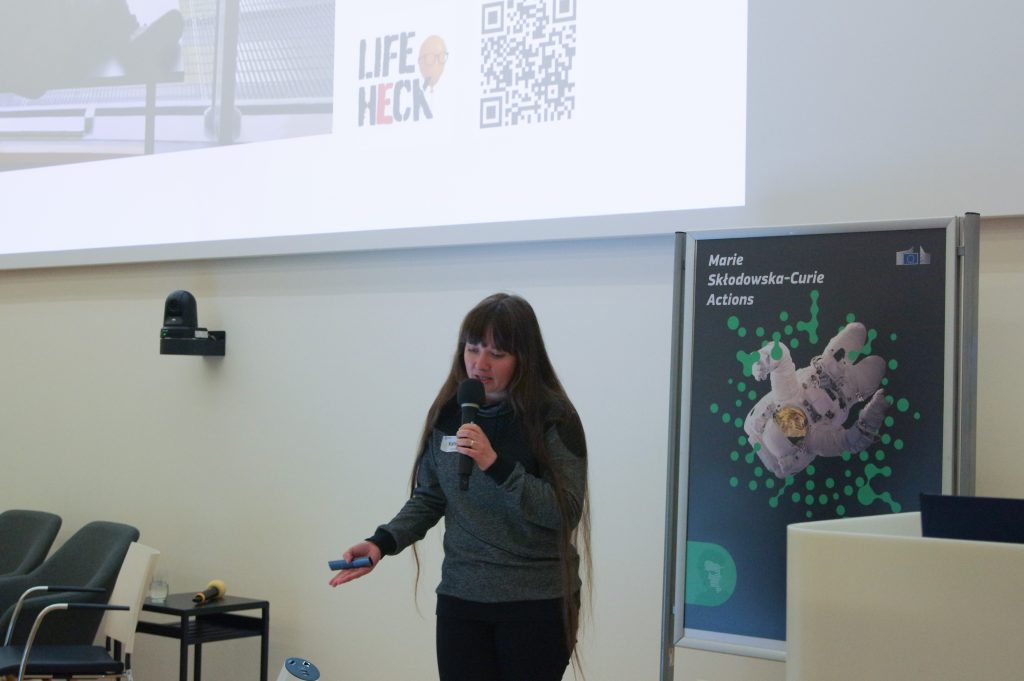
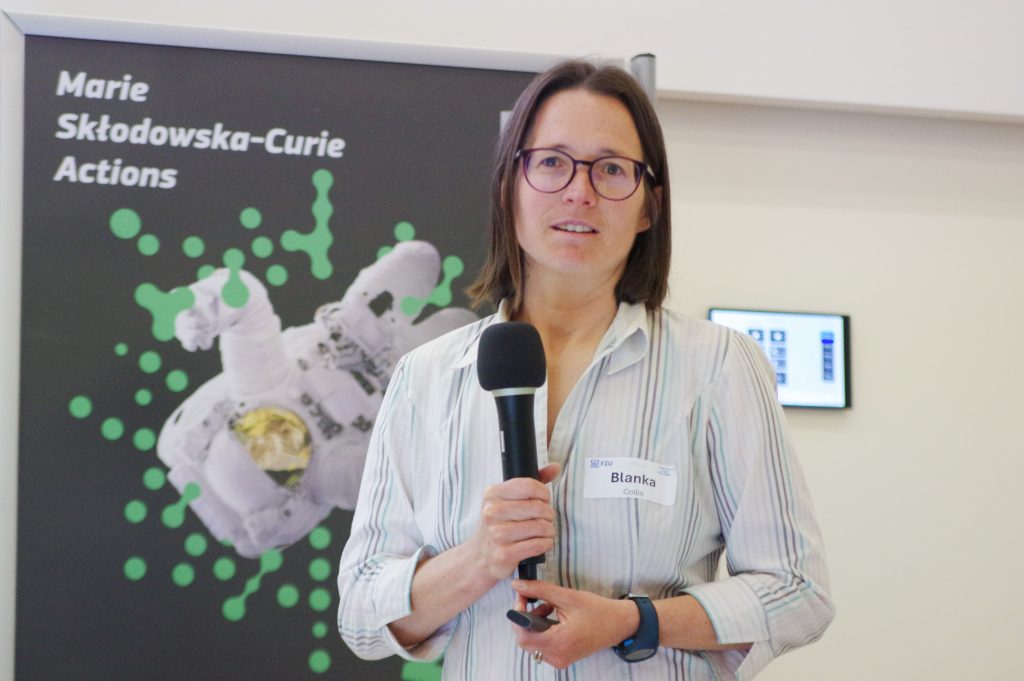
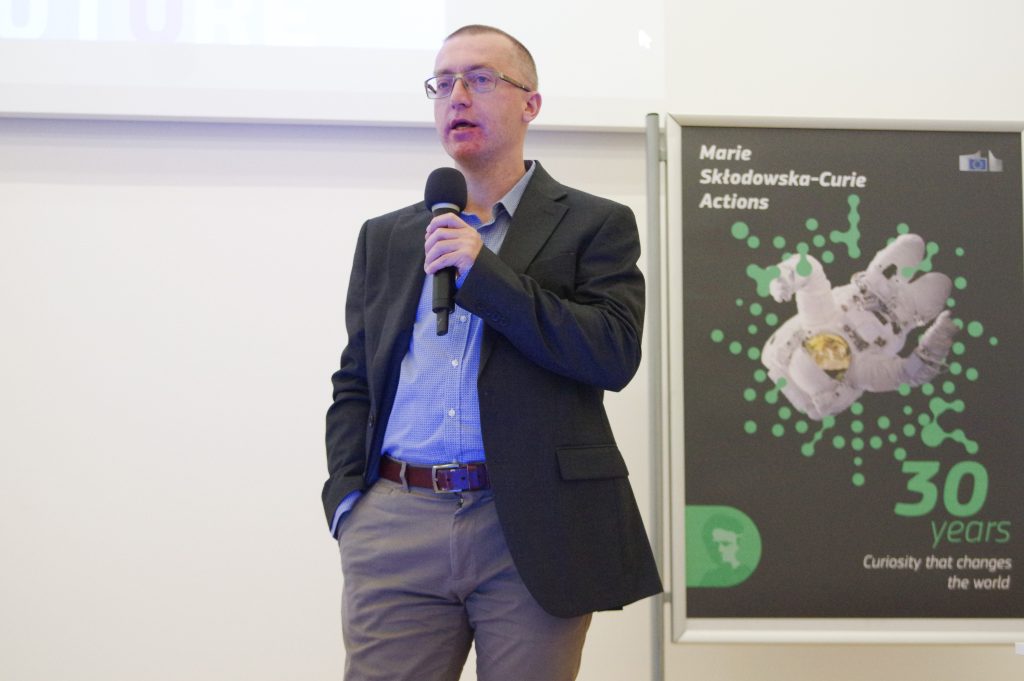
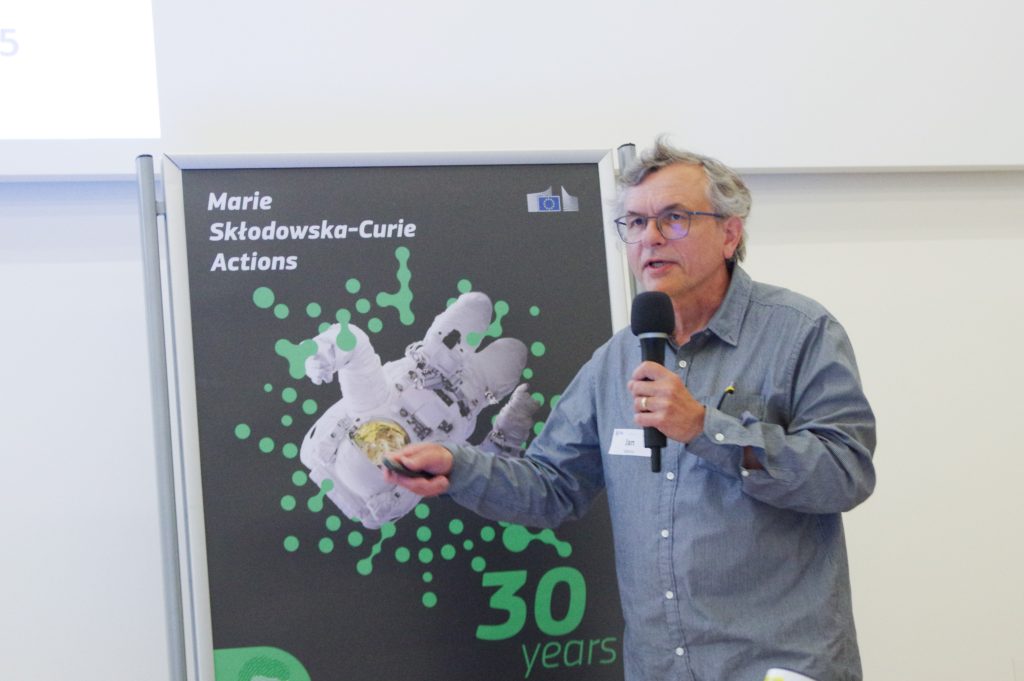
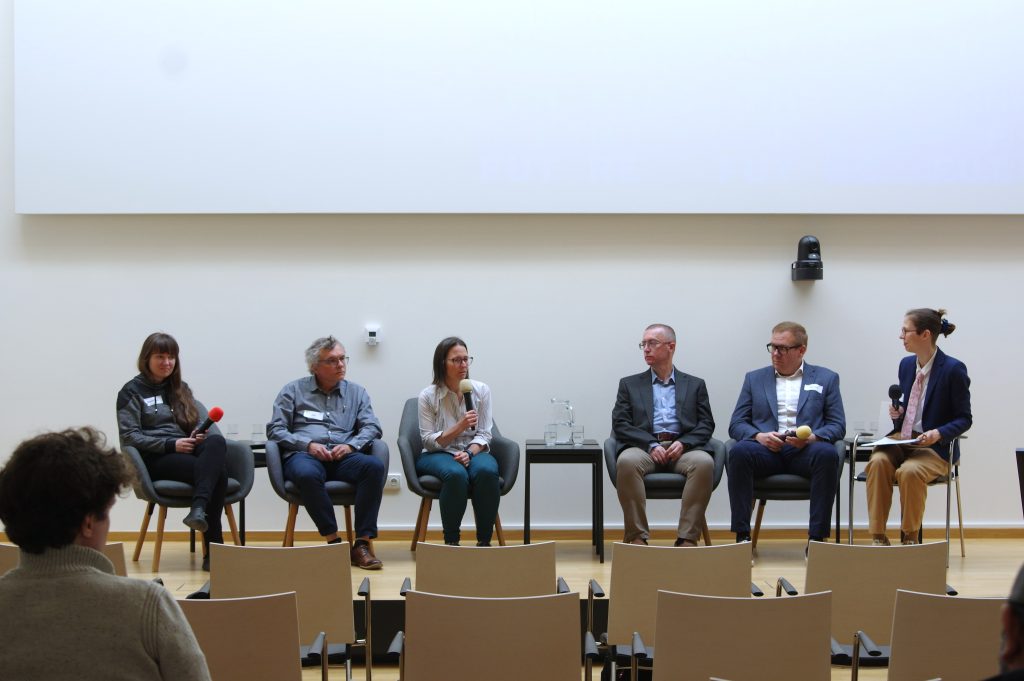
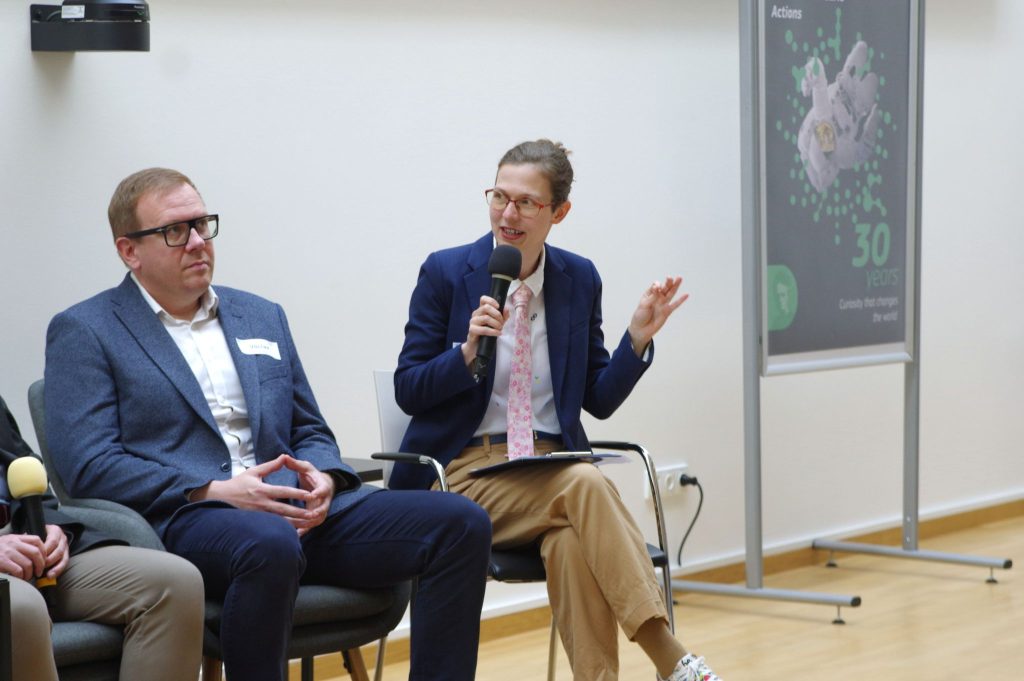
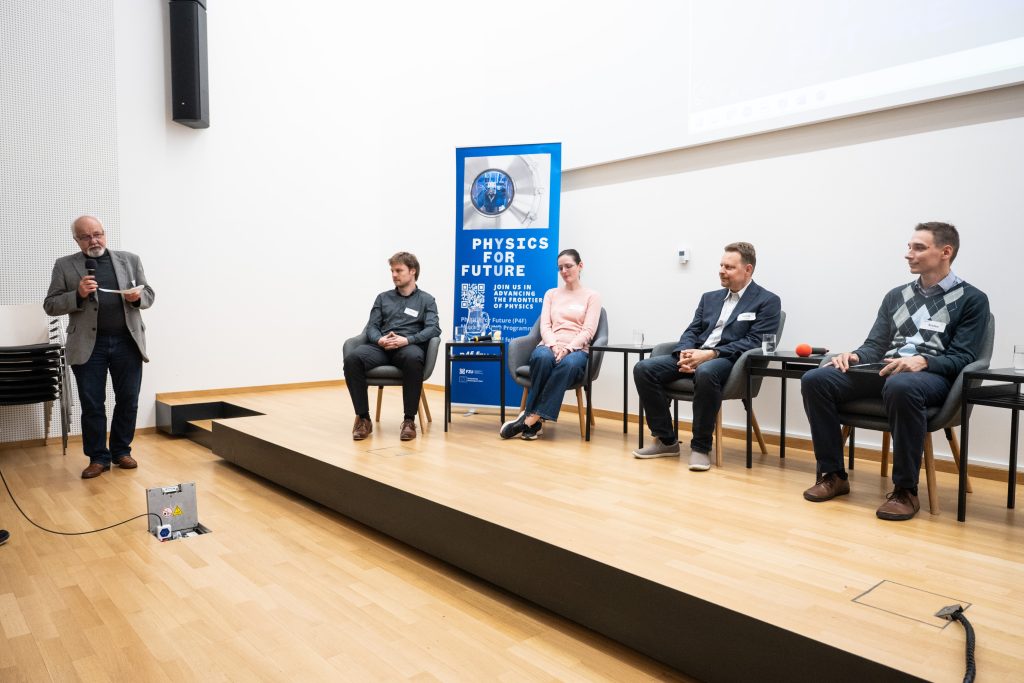
After lunch, the programme continued with presentations and a panel discussion on the topic of Alternative Careers, moderated by Julie Nekola Nováková. Václav Smítka (Amires), Kateřina Fajmanová (LifeHeck), Otakar Fojt (British Embassy Prague), Blanka Collis (IOCB Prague), and Jan Valenta (Czechoslovak Journal of Physics) discussed career development outside traditional academia to show how a scientific background can be applied to other than scientific careers.
The discussion also reflected a broader trend in academia: while the number of PhD graduates has grown significantly in recent decades, the number of academic positions has not increased at the same pace. As a result, more and more researchers are considering careers outside academia — either by choice or because of limited opportunities in the academic sector. The speakers shared their own experiences with moving beyond traditional academic careers and talked about the challenges connected with this transition, such as how to apporach the non-academic job market, adapt an academic CV and overcome imposter syndrome.
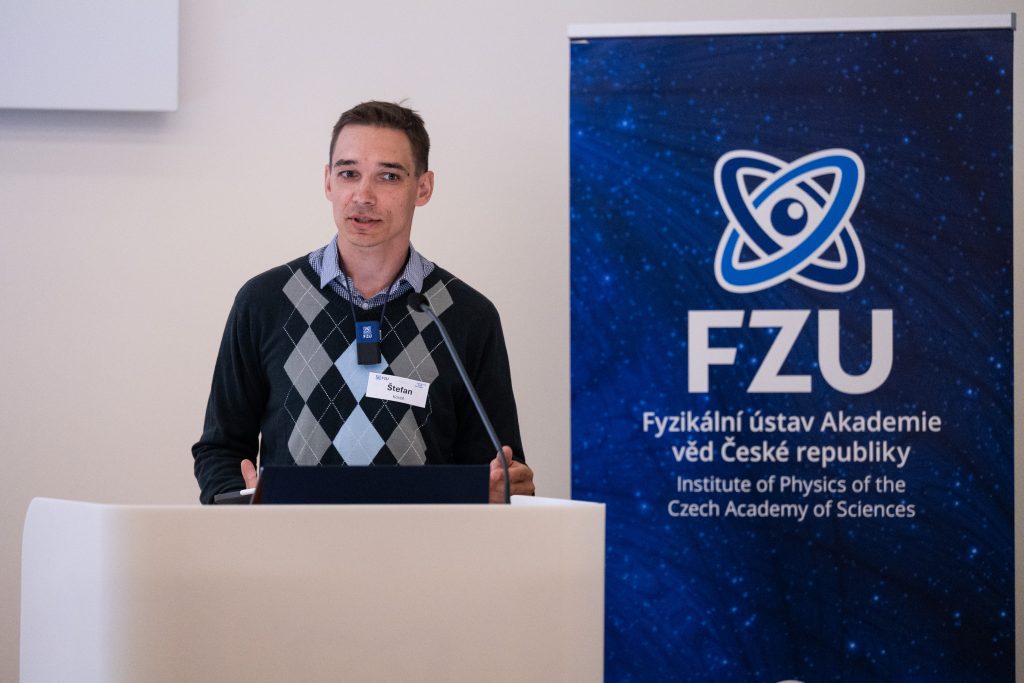
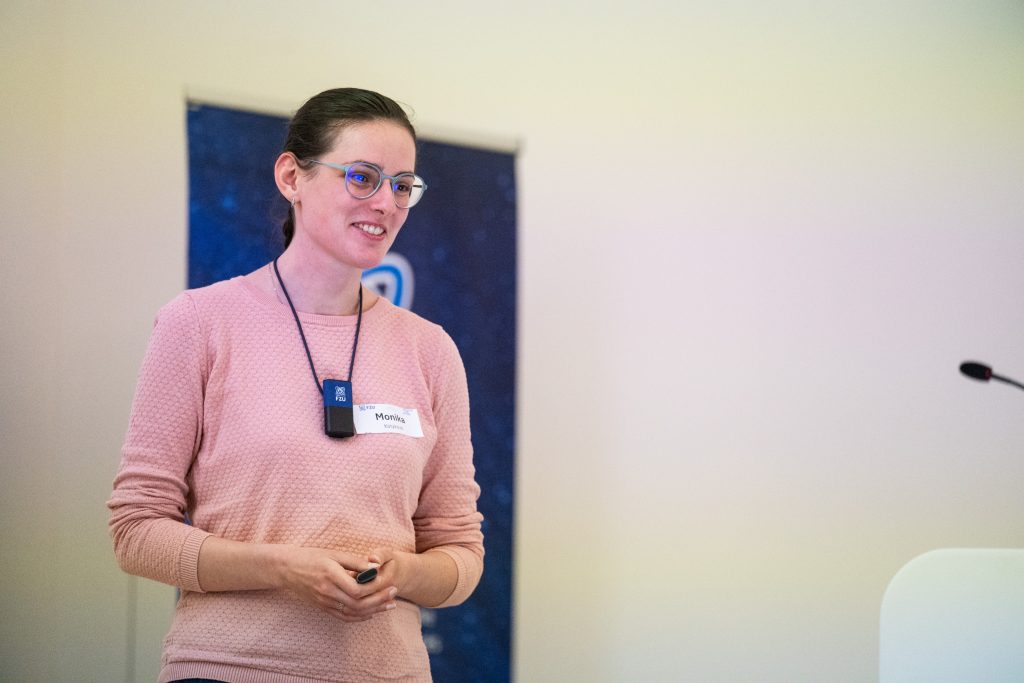
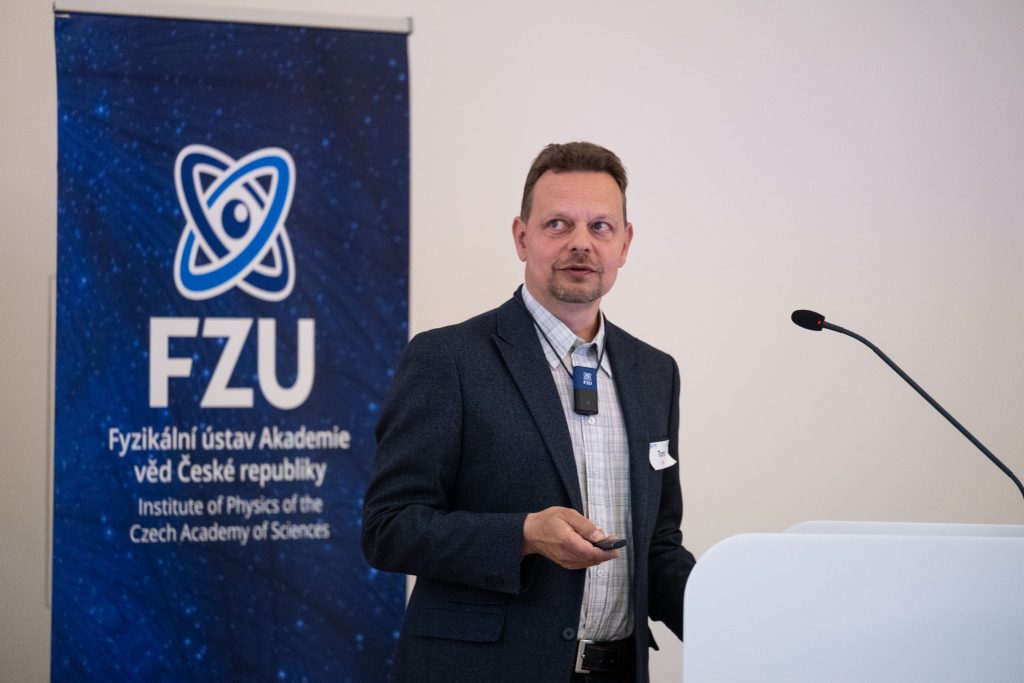
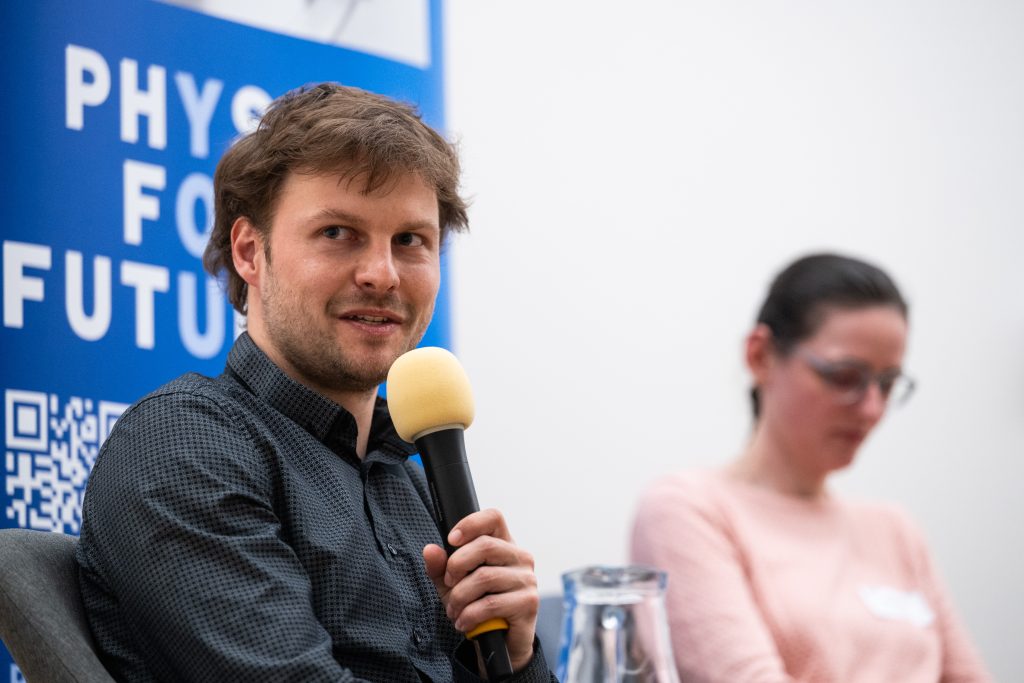
The second day of the Colloquium, Tuesday, started with insightful presentations from fellows of the Divisions of Optics and HiLASE. The afternoon was dedicated to a session From lab to industry focused on transitioning into the private sector, where speakers talked about their personal career shifts and how the skills gained during a PhD are valued in industry. In a lively discussion moderated by Martin Nikl, panelists Štefan Koreň (TC Prague), Monika Kotyková (CZU/FZU/CRYTUR), Tomáš Vaněk (CRYTUR), and Tomáš Mates (FZU/HVM Plazma) explored the differences between working in academic and industrial environments, as well as the differences in their mindsets, engaging in a dialogue on how to bridge these two worlds.
The panellists reflected on when they first started thinking about the practical applications of research, what surprised them during the transition, and what differences they experienced between academic and non-academic environments.
The final day, Wednesday, was dedicated to presentations from the fellows of the Division of Solid State Physics.
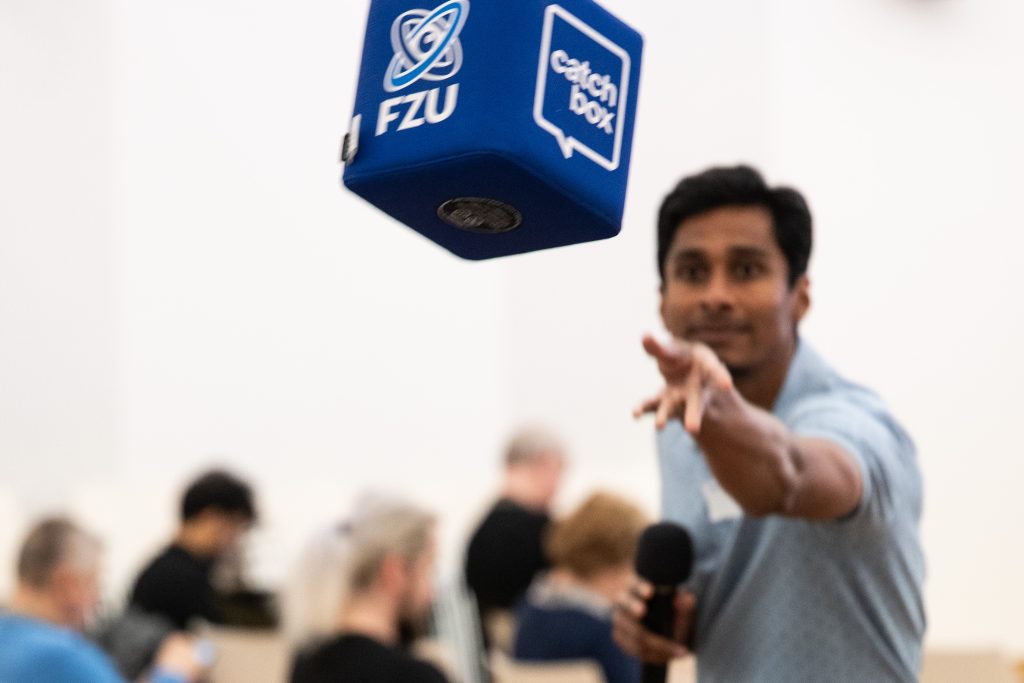
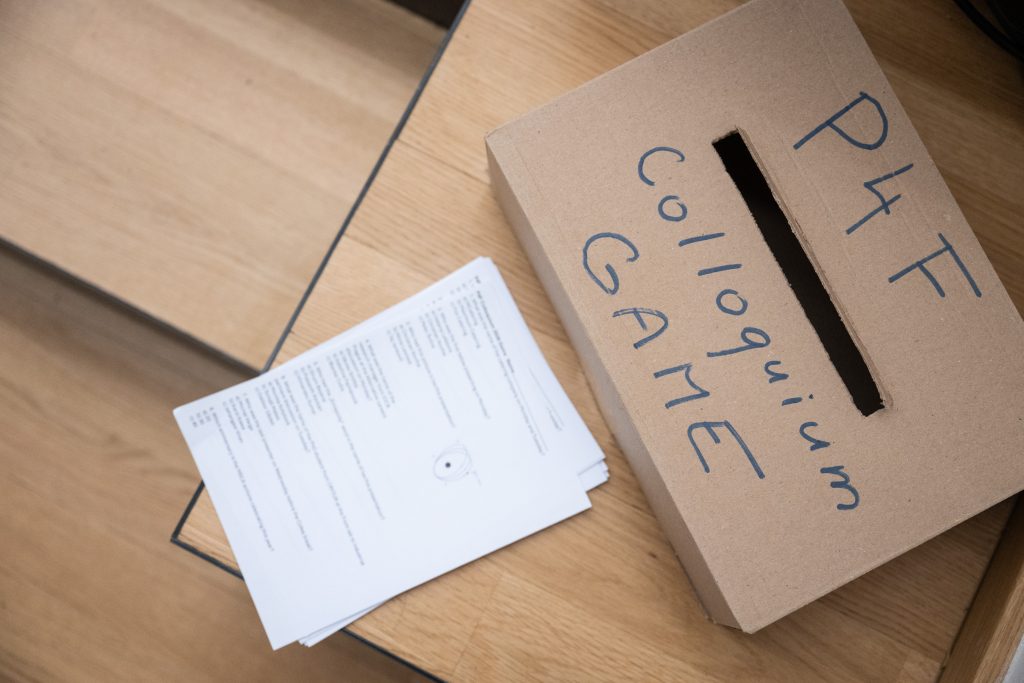
To test how closely everyone was paying attention throughout the event, a quiz game was organized for the participants. It featured eight questions covering the presentations, discussions, and even the catering. Attendees had until Wednesday morning’s coffee break to submit their correct answers into a dedicated box. Of all the submissions, 11 correct questionnaires made it to the final draw. The P4F management team – Martin, Markéta, and Lucie – then picked three lucky winners: Peter Švihra, Helena Lefebvre, and Prasanth Asokan, who were announced and congratulated right before lunch.
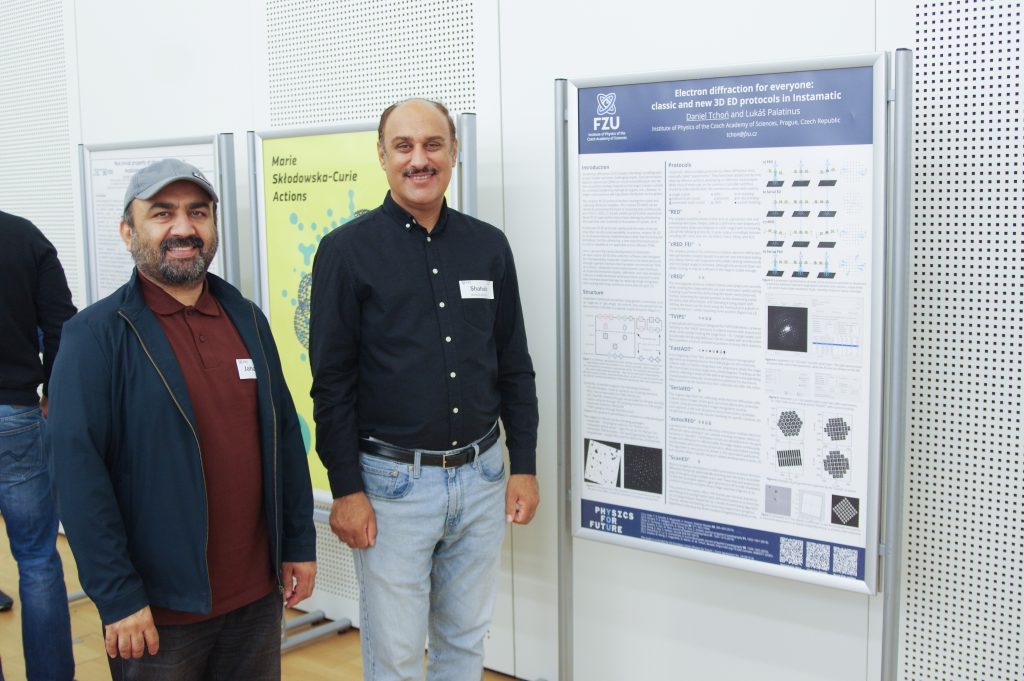
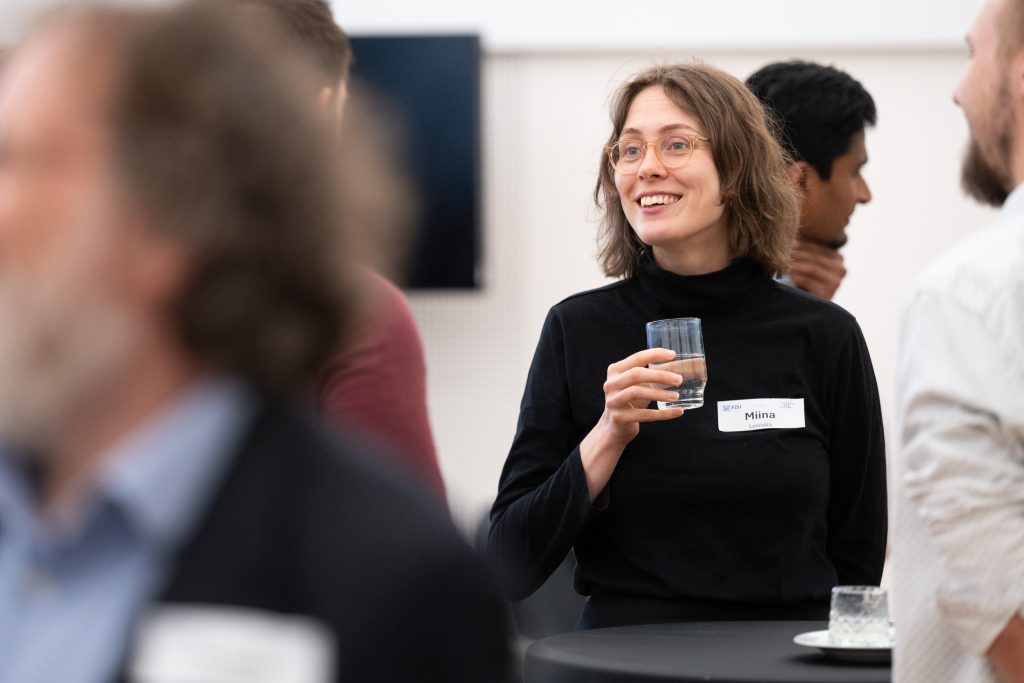
The informal coffee breaks provided a comfortable space for the fellows, speakers, and guests to network and build new professional connections.